Space planning: the key to a successful office fit-out
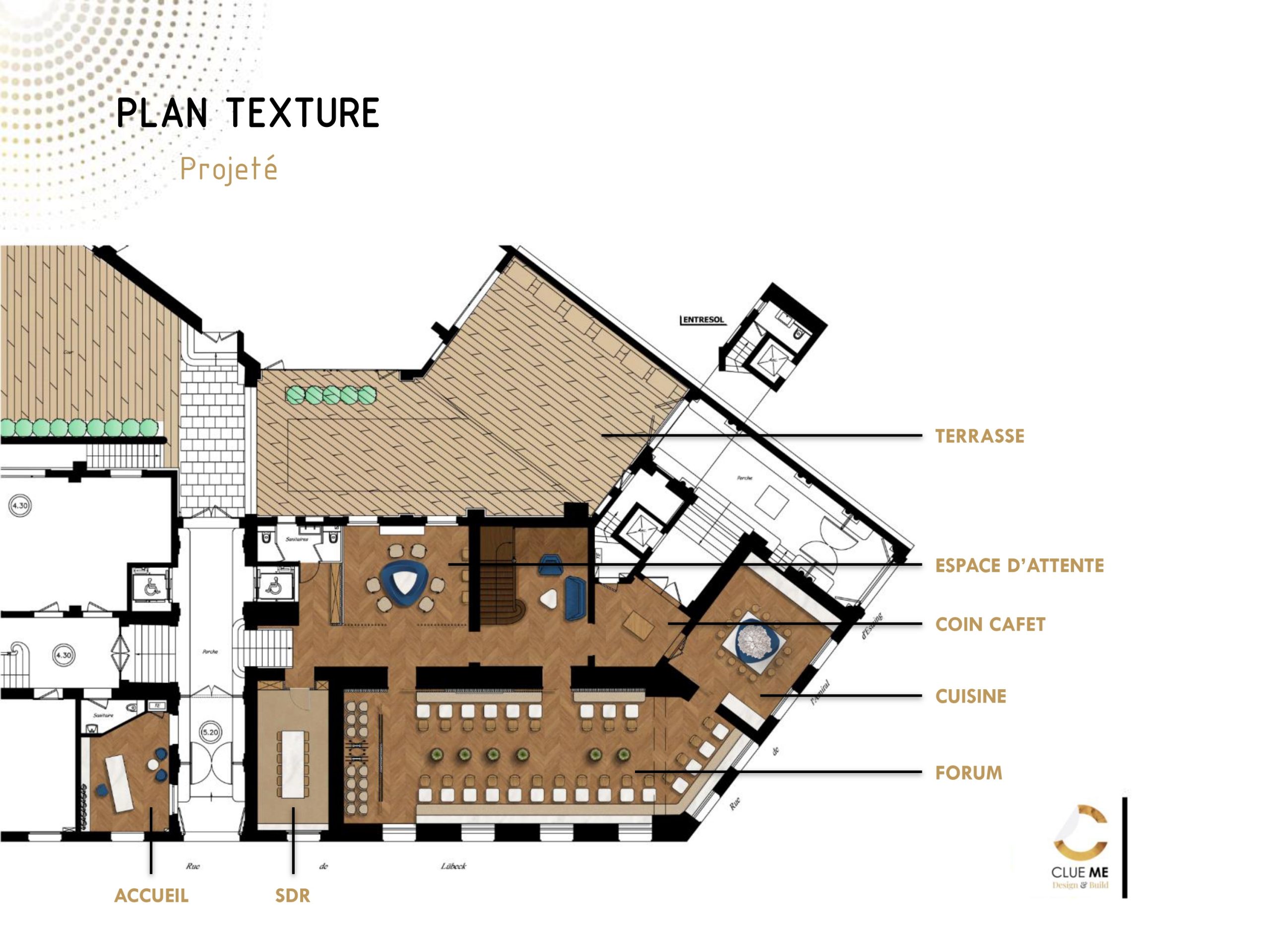
Space planning, or a space layout plan, refers to the methodology for designing and organizing office spaces that optimizes the use of every square meter. This strategic approach goes far beyond simply drawing a plan: it incorporates the company’s operational needs, employee well-being, and anticipation of future changes.
Fitting out your offices in Paris means giving employees optimal working conditions so they can perform at their best. This approach covers design and space organization, as well as engineering and ensuring infrastructure compliance.
Why is space planning strategic?
Well-designed space planning addresses three major challenges. First, it helps optimize real estate costs by reducing unused space—particularly relevant in high-value areas such as the capital.
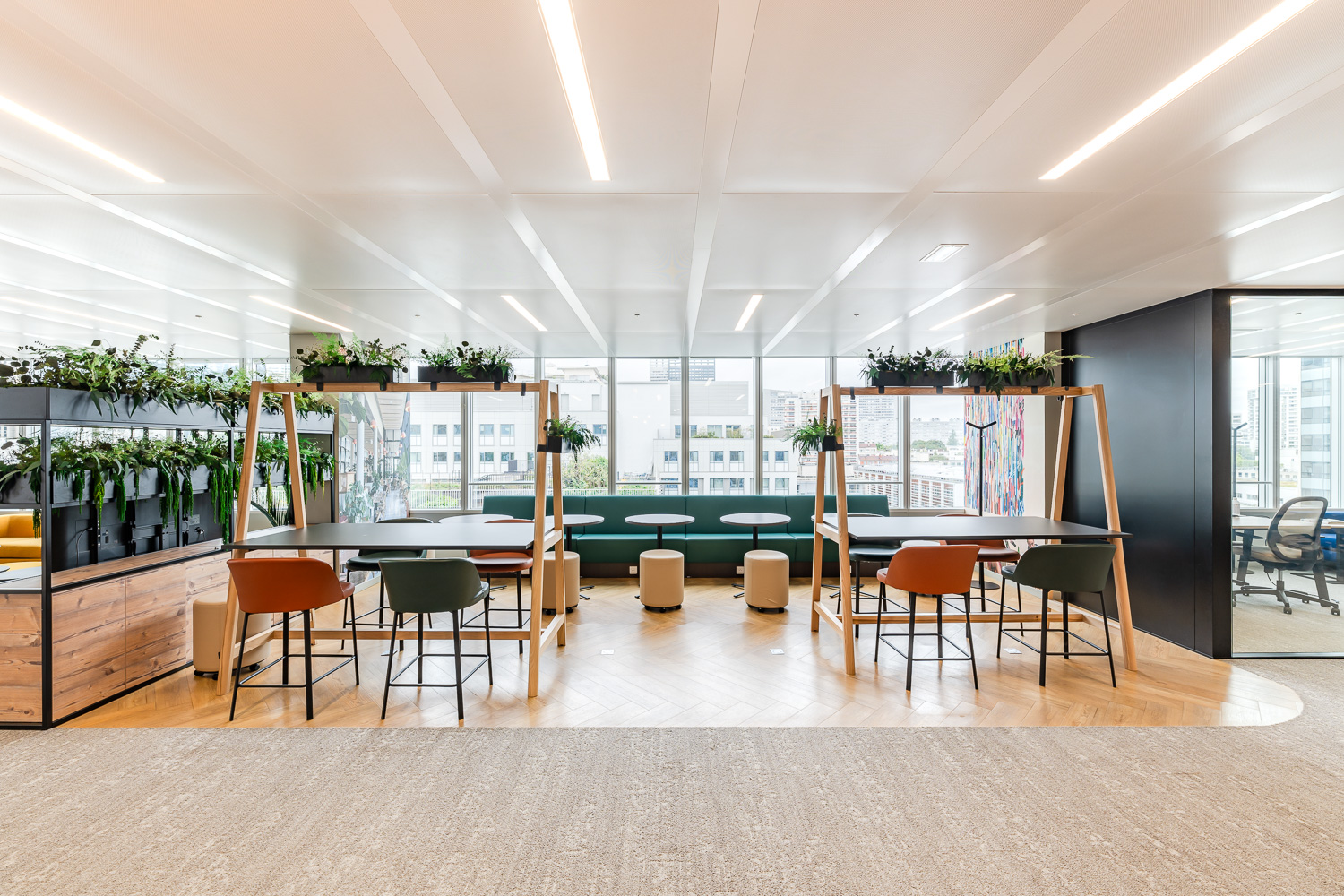
Next, it aims to improve team productivity and engagement by creating functional spaces suited to today’s ways of working: collaboration, focus, mobility, and on-site/remote hybrid work.
Finally, it increases the company’s attractiveness to talent by offering a modern, inspiring work environment—a real differentiator in today’s war for talent.
The three golden rules for successful space planning
1. Create a unique layout plan
When fitting out offices, companies are sometimes tempted to copy a concept seen elsewhere or follow current trends. For the project to be effective, the office layout plan must be unique and tailor-made.
Every workspace has its own identity and is deeply tied to the company that creates it. The specifications must reflect this personality through how spaces are organized: the ratio of private offices to collaborative areas, types of meeting rooms, break areas, focus zones.
This customization requires a fine-grained analysis of each department’s needs, work habits, and the building’s technical constraints. A law firm won’t have the same requirements as a tech startup or a communications agency.
2. Put light at the heart of the project
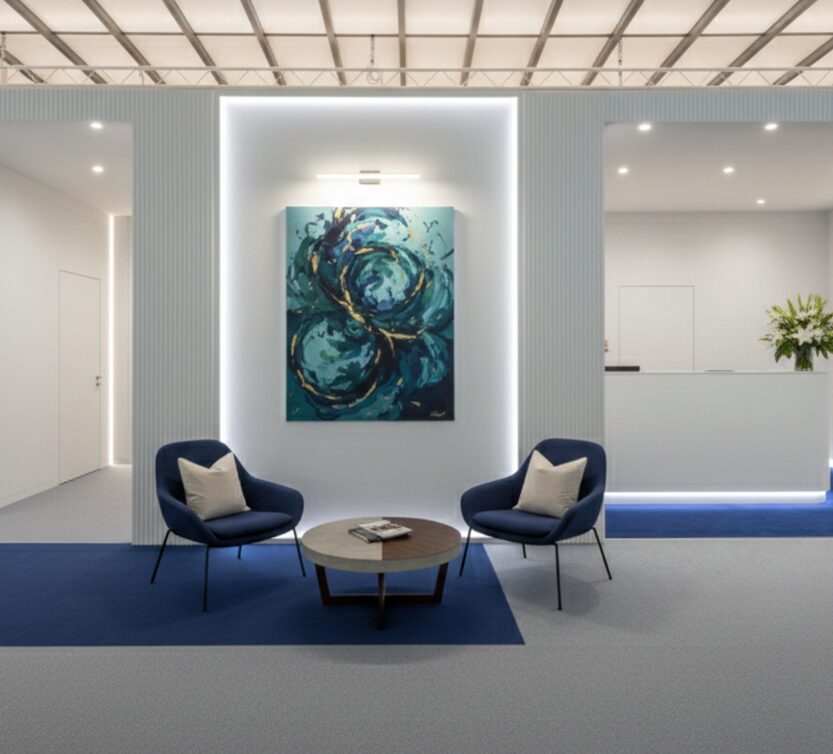
Sunlight affects our mood, concentration, and health. In optimized space planning, brightness is an absolute priority. At every stage of the design, it should guide layout decisions to support employee well-being and foster a positive experience within the premises.
Ideally, you should prioritize natural light by maximizing openings and strategically placing workstations near windows. In Paris, Haussmann-style buildings offer generous ceiling heights and large windows— a major asset to highlight.
Space planning should also include a complementary, adjustable artificial lighting system. Each workstation should have adjustable light sources, allowing each employee to adapt their environment to their needs and tasks.
3. Anticipate future changes
In an active, attractive metropolis like Paris, a company evolves quickly: hiring, new services, innovative technologies, and changing ways of working with remote work and flex office.
From the very start, the office layout plan must take this dynamic into account. It’s about thinking of the workspace as it is today, but also as it will be. To do so, you need to model the arrival of new employees, the potential needs created by business growth, and the impact of technological innovations.
This forward-looking vision involves integrating modular, reconfigurable spaces: movable partitions, flexible furniture, oversized technical networks, multifunctional zones. This flexibility prevents costly reconfigurations just a few years after handover.
Key phases of professional space planning
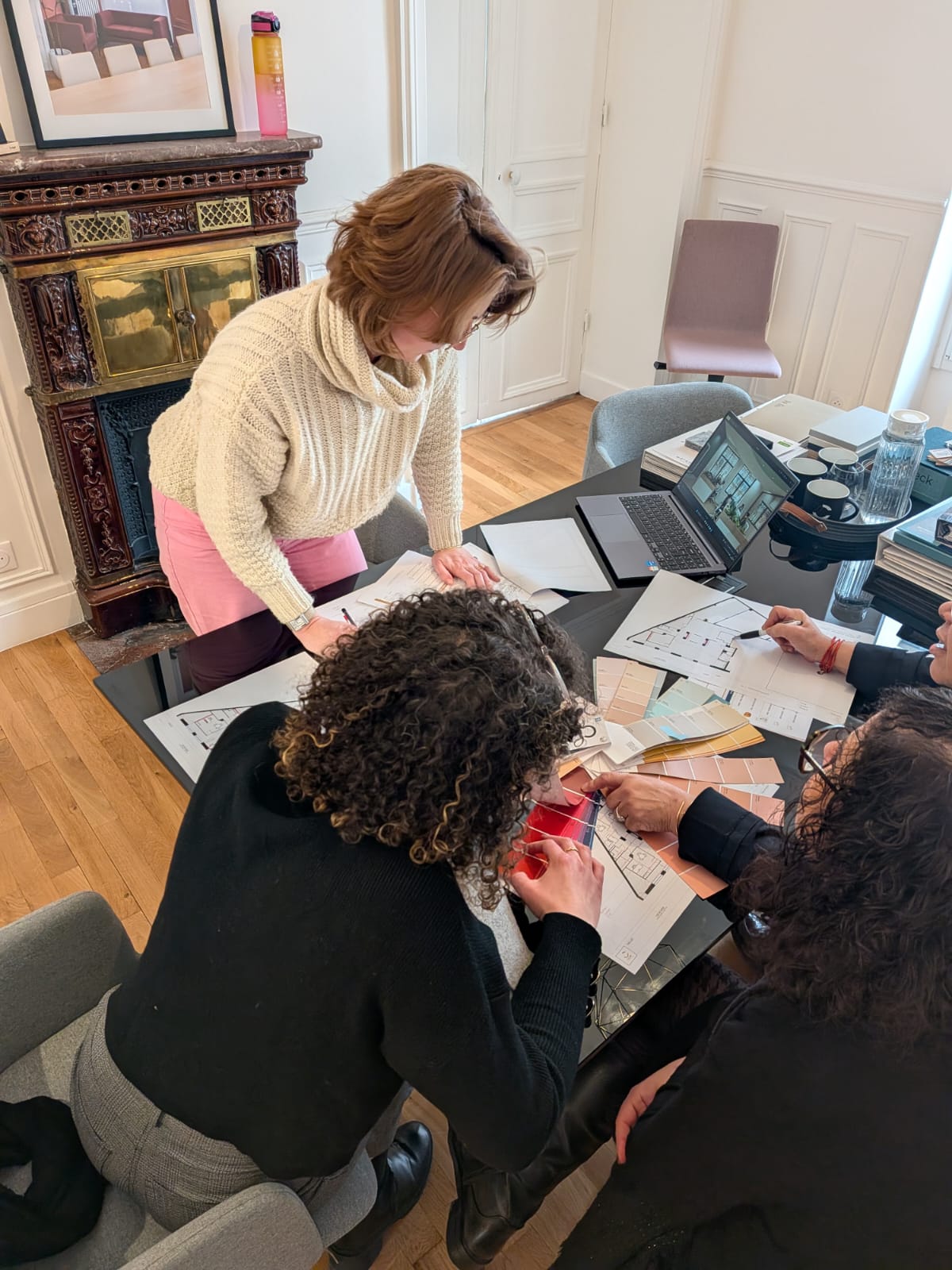
High-quality space planning begins with a thorough needs assessment: analysis of the current situation, employee survey, identification of issues and expectations.
Next comes space programming, which determines the required areas for each type of space based on headcount and use cases. This step helps establish the optimal ratio between individual, collaborative, and support spaces.
The design phase produces several layout plan options, incorporating technical, regulatory, and budget constraints. 3D visualizations allow decision-makers to project themselves into the future spaces before work begins.
Finally, costing and scheduling define the final budget, the works schedule, and the coordination of the various trades through to handover.
Professional support: a profitable investment
An office fit-out is a highly technical process that mobilizes the creativity and energy of all your employees over a long period. Calling on the expertise of a specialist offers several benefits: significant time savings, optimizing space and working relationships, as well as personalized support for your project from A to Z.
The expertise of an office fit-out specialist in Paris ensures control over every aspect of the project: architectural design, technical engineering, regulatory knowledge, furniture sourcing, timeline management, and works coordination.
This end-to-end approach, from design through turnkey delivery, secures your investment and ensures a result that meets your expectations—without unpleasant surprises.