Full remote work (100% remote work), imposed on the majority of French companies, led to a unique experience in work organization. Many companies view these empty offices favorably and are already envisioning a reduction in office square footage with the emergence of a hybrid system between FLEX OFFICE and working from home. This seems almost certain given the low office occupancy several months after lockdown.
For employees, this is a real opportunity to demonstrate and assert their professionalism in situations where autonomy is essential. The sense of trust generated by this practice provides renewed energy and a new purpose. The time saved and the absence of stress caused by commuting (crowds, delays, strikes, traffic jams, enclosed spaces, heat, artificial light, etc.) significantly increase everyone’s quality of life.
However, there are elements to consider before generalizing this practice:
The remote work experience during lockdown was accompanied by a strict prohibition on going out or hosting people. Public places were closed: cinemas, museums, bars, restaurants… There were no possible distractions. If these places had been open, if we had been able to receive friends and family, would remote work have been as widely adopted? It’s hard to say.
Moreover, it remains an experience of a few months, motivating because it was new and enriching (everyone wants to ‘do well’). What will remain after 6 months, 12 months, without organization, without purpose, without vision? Here are the 4 strategic points for a successful work reorganization.
COMPANY’S FUTURE VISION: The objective above all else
Business leaders, if they wish to reorganize their employees’ work, must first and foremost have a 3-5 year vision for the company AND its employees. What are the objectives to be achieved for the company? How will they be implemented? What is the employees’ place in the company? How do they thrive through their mission? Do their professional objectives contribute to the company’s success and their individual well-being?
The leader’s vision is like a journey: it helps determine which ship to take, for how long, with whom, to what destination, with what equipment… it’s essential for a new start in a company.
HR – MANAGEMENT: Implementing objectives
To reorganize workspaces, a strategy led by managers is essential. For the entire organization to be impacted and drive change, it is important to transform objectives into action. The role of human resources and managers is crucial, as they will, based on their experience, recall the list of issues already present in the company before lockdown, while taking into account the new roadmap: staggered hours, staggered arrivals/departures, alternating days of presence, remote work rotation, team rotation, financial support for mobile office setup, co-working space rental, integration of new remote employees…
Let’s not forget this major opportunity that reorganization offers teams: rewriting history while learning from past experiences.
DIGITAL WORKPLACE: The tools
Digital technology offers the gift of ubiquity through technological tools, in various configurations: team meetings, brainstorms, client appointments, training, pair/team work, virtual events… This implies a reorganization or the implementation of collaborative programs such as: data security, video conferencing, external file sharing…
Improving proficiency in handling these tools is also essential, as it will allow for fluid use so that the content of exchanges is the only notable event (who hasn’t experienced someone taking 10-20 minutes to connect to a video call and making other members lose that same amount of time?), as well as an increase in creativity in animation, managerial steering, and coaching of remote teams.
WORKSPACES: The physical link of companies
Making a digital shift means transforming physical needs: what are the new workplaces? Home? Office? Coworking? All three? What are the advantages of each space? How can they be leveraged?
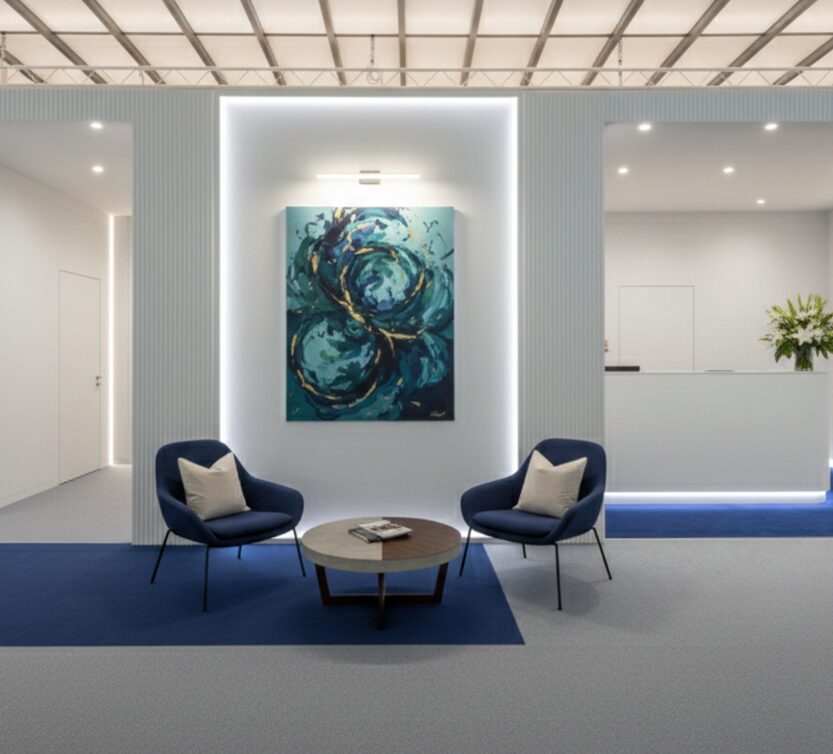
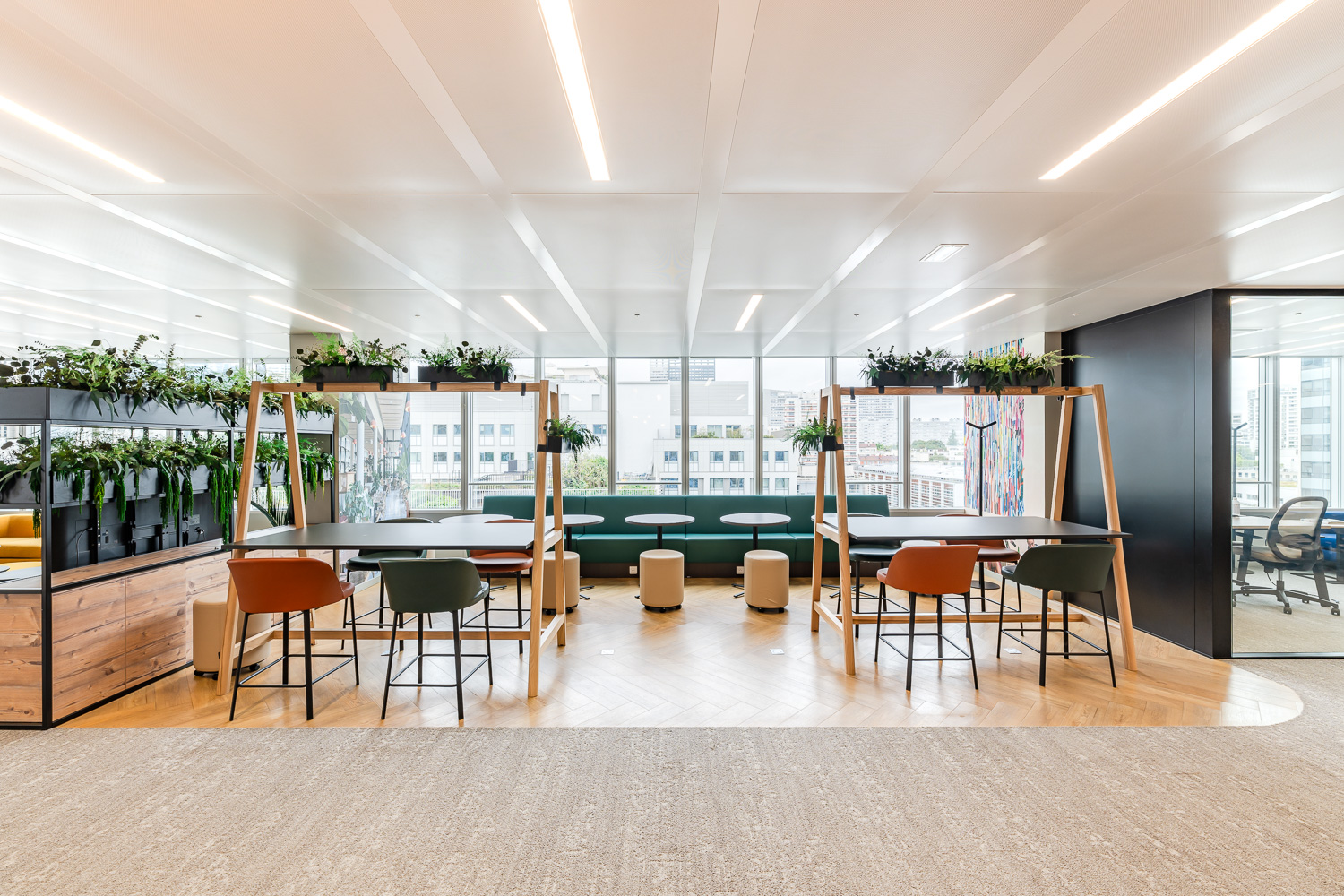
Just as remote work offers the advantage of calm and autonomous work, office spaces must offer creative and flexible collaborative areas: relaxation areas, creative rooms, workplaces, vegetated outdoor spaces…
Depending on the teams, the number of employees per team, and their on-site presence, spaces must transform to always be efficient, welcoming, and clean! Added to this are the company’s values and culture, which must be reflected through the spaces and enable socialization and belonging to a team to avoid loss of identity, social connection, and isolation…
TO GO FURTHER: OUR FLASH DIAGNOSIS
If you are questioning the future of your company and how to reorganize, our support program is for you. The challenge is to work globally on the 4 points: VISION, HR, DIGITAL, and PHYSICAL LOCATIONS. We offer a concrete solution to move forward quickly: reflection, speed of execution, pilot, REX (Return on Experience), and implementation. Request a flash diagnosis and meet our teams for half a day. We have created a collective, a multidisciplinary team of experts in these 4 areas who work alongside you.
See you soon!